Career Connected Pathways Stories of Impact
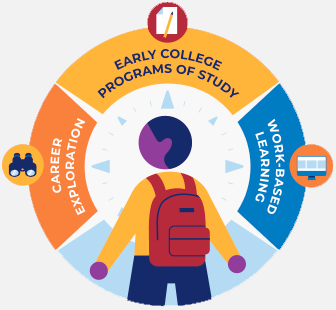
A five-year U.S. Department of Education , Education Innovation Research (EIR) grant, in partnership with the Center for the Future of Arizona, 12 high schools, and 7 community colleges, aims to understand what motivates or influences student behaviors to participate in dual enrollment and computer science courses – more broadly, what empowers students to take action and deepen engagement with career planning (ECAP) through the implementation of a Distributed Advising Approach. A Distributed Advising Approach is intended to facilitate deeper collaboration between K12 schools and community colleges by enabling systems change through three levers – 1) Student Voice, 2) Career Connected Toolkit, and 3) Co-Advising Framework.
Students Were Asked
- How do students experience career planning (I feel)?
- What do students need to deepen engagement with career planning (I want)?
- How can adults help students get what they need to feel prepared for life after high school (I can)?
of tenth graders aspire to continue their education right after high school; 48% actually do. Why?
Every student deserves to leave high school with hope, a plan, and a future they are excited about. It’s not just about what’s offered. It’s about what’s experienced – and who gets the invitation to step into it.”
— Izael, 11th grader
The Impact
We’ve captured what’s possible when students lead their own career planning in a Stories of Impact series titled Acts of Hope: How small changes led to big impacts. These stories show how, when students practice hopeful thinking, trusting relationships grow, personal agency strengthens, and systems evolve to support what students want most – to leave high school with “hope, a plan, and a future they’re excited about.”
Key Takeaways
- Let students lead!
- The purpose of HS is to surface every student’s hidden potential – NOT claim a career identity.
- Hope is contagious.
New Ideas. New Ways of Working Together.
Partnership Results – Alhambra HS & Carl Hayden Community School with MCCCD
What is systems change? How can a systems change approach help adults advance what matters most to students? In the Career Connected Pathways project we adopted the following definition of systems change: “shifting the conditions that are holding the problem in place.”
To deepen understanding of how students experience career planning Alhambra and Carl Hayden HS in partnership with Maricopa County Community College District needed to “see” the whole system. The grant project brought together teams that had previously worked in silos – Counselors, College Advisors, Work-Based Learning Coaches, and Dual Enrollment Managers. Working as one team advancing what matters most to students, the members completed a data analysis process through all three levels of systems change.
of students agree they have gained a deeper understanding of their career interests.
95%
of students agree they have a deeper understanding of the steps they need to take to pursue the career they want.
66%
of students plan to continue their education after high school, whether through a degree, industry certificate, apprenticeship, or military service.
Stories of Impact Case Study
Random vs Intentional
Acts of Career Planning
Surfacing and activating the hidden potential of students, schools, and systems.
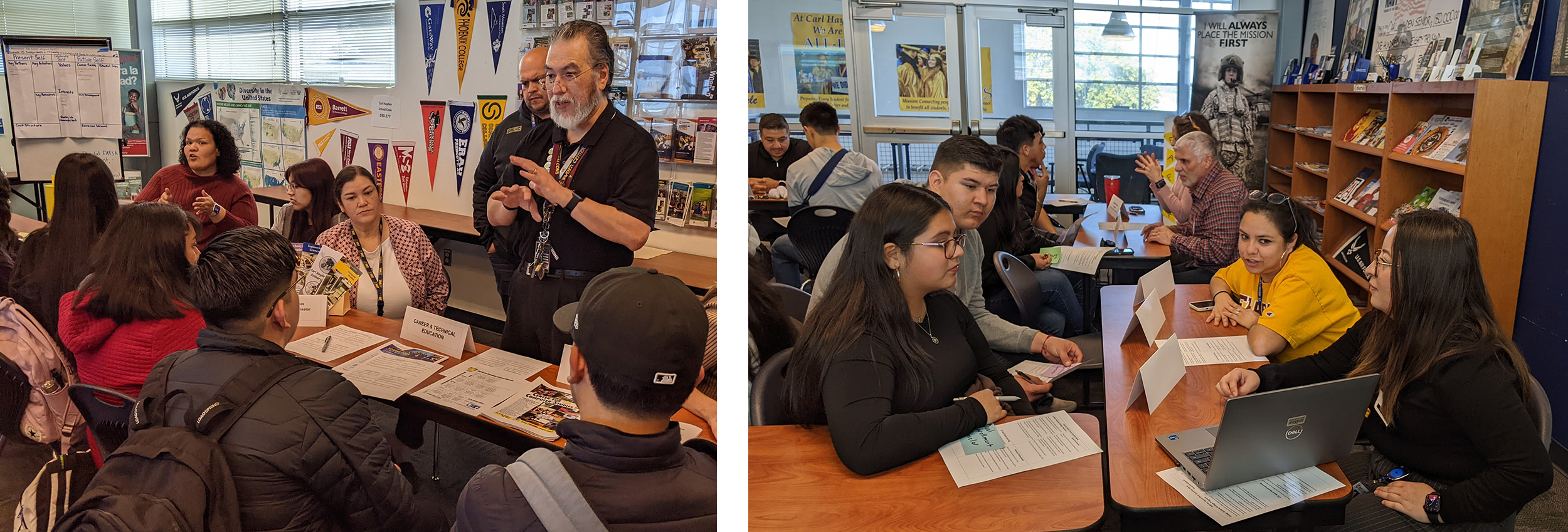
How do students experience career planning?
High school campuses host a variety of organizations and initiatives focused on supporting students with their career planning – each with a set of goals and objectives. Who is responsible for coordinating and collaborating across these goals and objectives? Adults assume the students in the system will figure out how to make sense of all the random career planning experiences. The data shows students don’t.
- 79% of 10th graders agree that career planning experiences moderately or to a small extent helps them gain a deeper understanding of their career interests.
- 74% of 10th graders agree that career planning experiences moderately or to a small extent help them understand the steps they need to take to pursue the career they want.
- 34% of 12th grade students are unsure or participate in none of the career planning activities.
What do students need to deepen engagement with career planning?
Designing a system of integrated career planning experiences – moving from random to intentional acts – requires attention to three levels of systems change 1) Transformative 2) Relational 3) Structural. As demonstrated by the following student quote “It’s not just about what’s offered (structural change). It’s about what’s experienced (transformative change) – and who gets the invitation to step into it. (relational change)”
How can adults help students get what they need to feel prepared for life after high school?
The adults in the system designed a plan to operationalize intentional and immersive career planning across all system levels and multiple grades. The systems approach began with keeping the end in mind – a clear vision of what students want to feel, aligned to what students want and opportunities to enable student action. The collaborative plans enabled changes across all three levels of systems change:
- Transformative – students feeling comfortable asking for help from adults.
- Relational – increase opportunities for peer to peer and family engagement.
- Structural – build stronger connections to student culture and values.
- Systems Change – sharing responsibility for student success across initiatives and systems through the implementation of a Distributed Advising Approach.
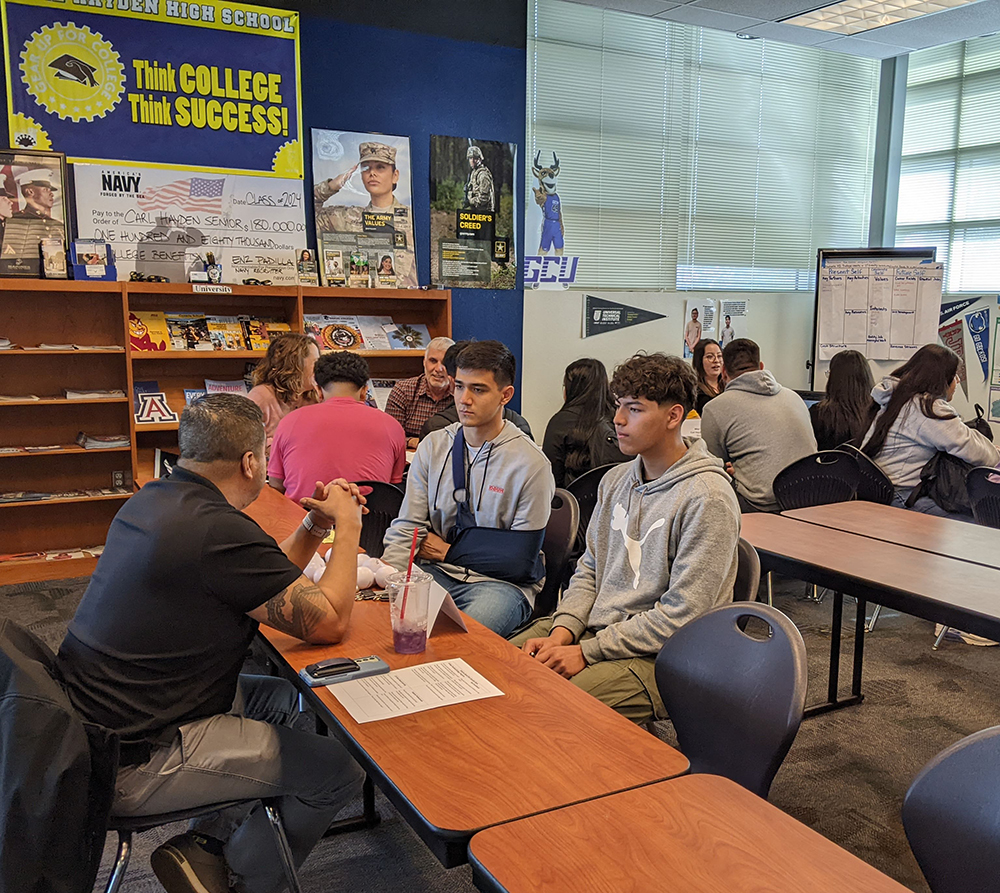
The Dual Enrollment (DE) Manager at Phoenix College describes how attention to all levels of the system – transformative, relational, structural – surfaced and activated the hidden potential of students and the adults that support them by building stronger relationships across multiple types of engagement. This is a strong example of a Distributed Advising Approach.
 |
|
Levels and Conditions of Systems Change
|
“Collaborating with students, community partners, and college representatives enhanced our ability to provide students with information and opportunities on multiple system levels.” – High School Counselor
A stronger, brighter future.
During these collaborative sessions, the teams looked at data on student and family experiences, developed shared goals and objectives, and designed an action plan to coordinate and scaffold a student-centered series of career planning activities and events that were less random and more intentional.
Participants shared what was most powerful about their experience:
- “The material covered re-centers our mission and the interactive method helps us further our connections with each other as educators.”
- “Our collaboration on new ideas. How we can support each other in different roles.”
- “Host more resource sharing events to connect with all sister colleges – invite other stakeholders.”
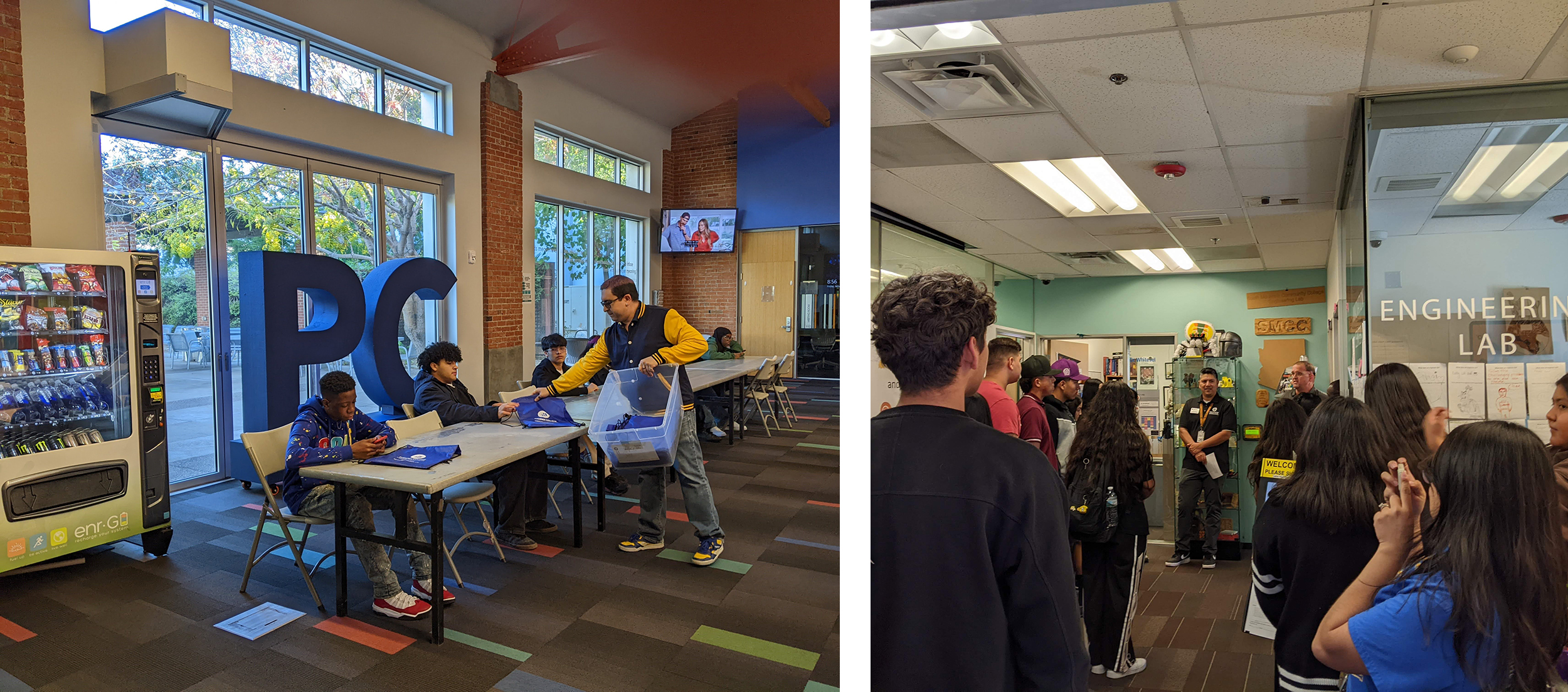
Students and adults have surfaced a path of shared responsibility for student success that has sparked, grown, and spread deeper engagement with career planning by operationalizing a distributed advising approach that makes sure more students have a better understanding of what’s possible after high school.
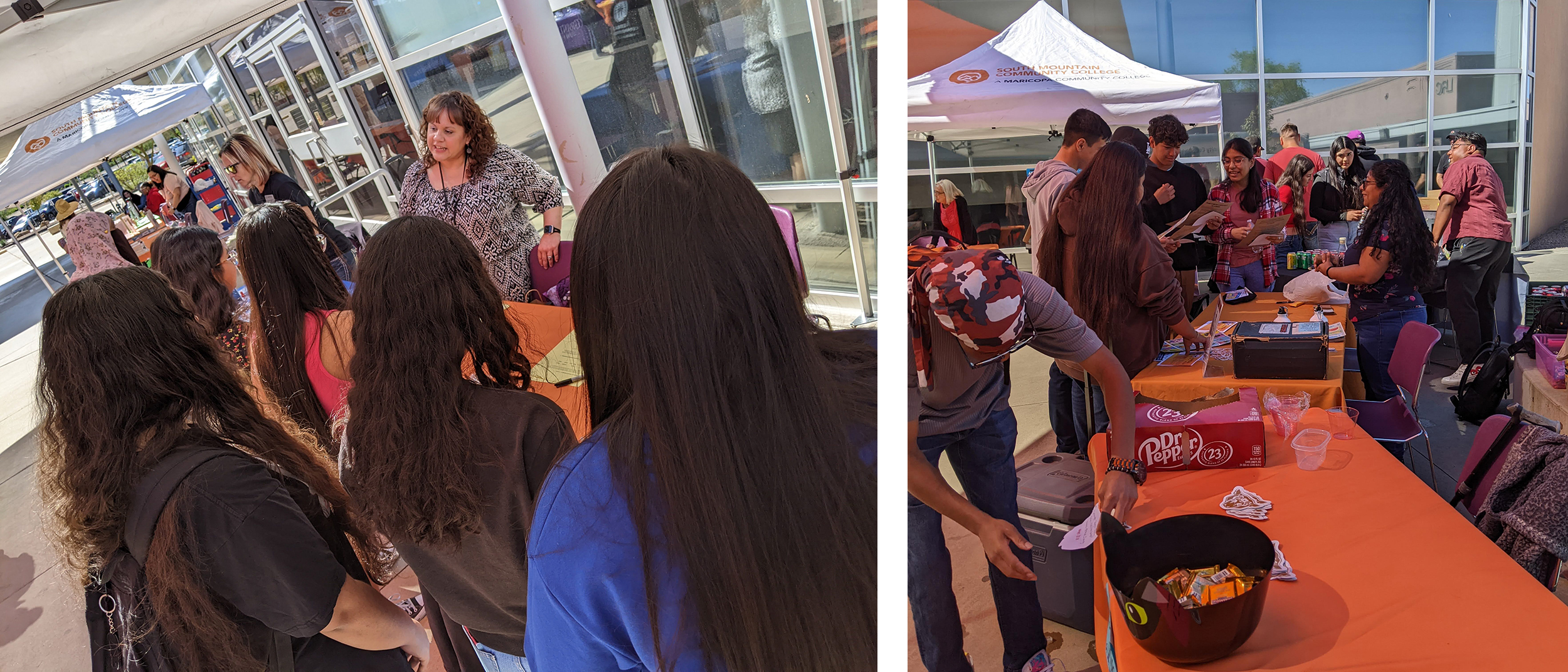
Students are actively seeking out things that interest them – Of the 41 12th grade respondents, an overwhelming majority of 100% agree they have gained a deeper understanding of their career interests. 95% agree they have a deeper understanding of the steps they need to take to pursue the career they want. 66% indicated they plan to continue their education right after high school pursuing an associate or bachelor’s degree, obtaining an industry certificate, participating in an apprenticeship or joining the armed services.
Finding people to help them when they need it – 88% agree they have one adult in their life who makes them excited about their future. They are building a community around them – 88% agree they have a great future ahead of them and 80% know they will find a good job in the future.
of students agree they have gained a deeper understanding of their career interests.
66%
of students plan to continue their education after high school, whether through a degree, industry certificate, apprenticeship, or military service.
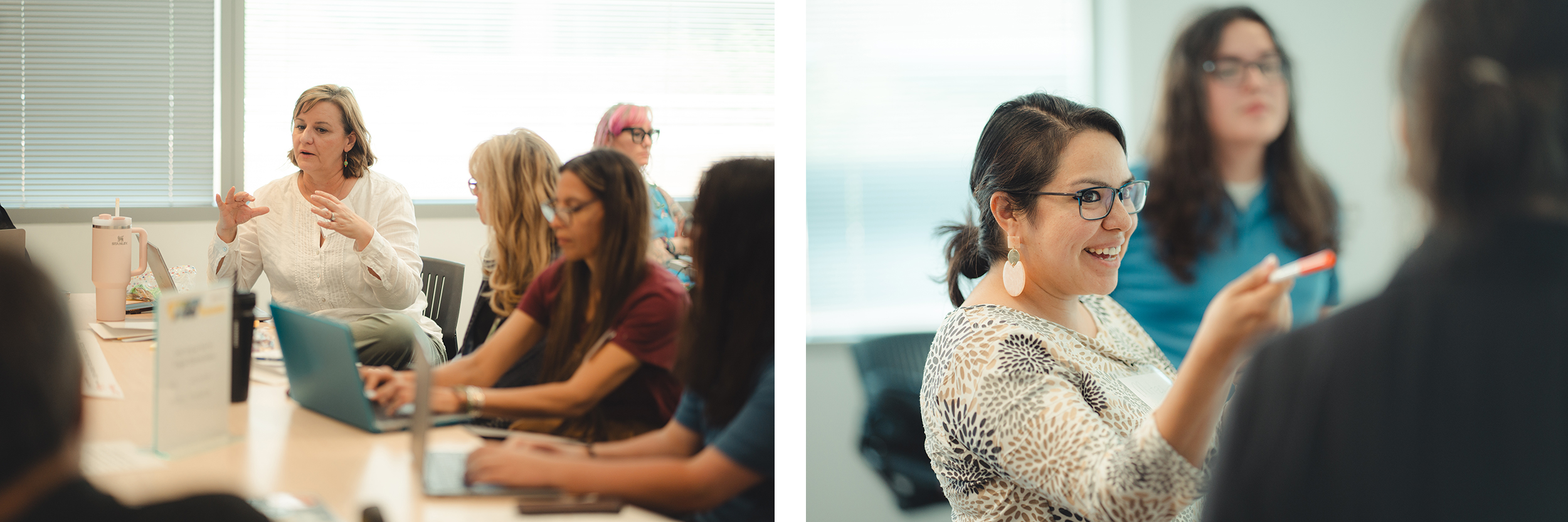
Distributed Advising is a systems change approach that shifted how students experience career planning through the coordination of intentional actions across career planning initiatives. New ways of working together deepen student engagement with dual enrollment and career path mapping. All students now participate in the introduction to computer science course, have access to career planning information starting in middle school, and students and teachers are now invited to design a career planning communication plan and host Speed Dating events with families to share their career path stories.
Students want to experience connections between their values, culture, and career interests. This grant project led us to seeking out intentional partnerships with community organizations and college faculty so students can see themselves in others. Cultural connections motivate students to take action and drive their own career planning.
of students agree they have one adult in their life who makes them excited about their future.
88%
of students agree they have a great future ahead of them.
Spark. Grow. Spread. Hope.