Career Connected Pathways Stories of Impact
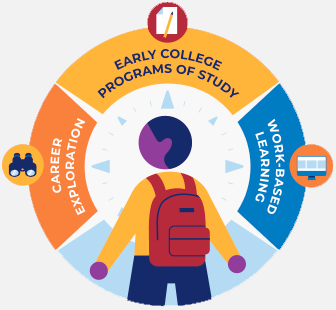
A five-year U.S. Department of Education , Education Innovation Research (EIR) grant, in partnership with the Center for the Future of Arizona, 12 high schools, and 7 community colleges, aims to understand what motivates or influences student behaviors to participate in dual enrollment and computer science courses – more broadly, what empowers students to take action and deepen engagement with career planning (ECAP) through the implementation of a Distributed Advising Approach. A Distributed Advising Approach is intended to facilitate deeper collaboration between K12 schools and community colleges by enabling systems change through three levers – 1) Student Voice, 2) Career Connected Toolkit, and 3) Co-Advising Framework.
Students Were Asked
- How do students experience career planning (I feel)?
- What do students need to deepen engagement with career planning (I want)?
- How can adults help students get what they need to feel prepared for life after high school (I can)?
of tenth graders aspire to continue their education right after high school; 48% actually do. Why?
Every student deserves to leave high school with hope, a plan, and a future they are excited about. It’s not just about what’s offered. It’s about what’s experienced – and who gets the invitation to step into it.”
— Izael, 11th grader
The Impact
We’ve captured what’s possible when students lead their own career planning in a Stories of Impact series titled Acts of Hope: How small changes led to big impacts. These stories show how, when students practice hopeful thinking, trusting relationships grow, personal agency strengthens, and systems evolve to support what students want most – to leave high school with “hope, a plan, and a future they’re excited about.”
Key Takeaways
- Let students lead!
- The purpose of HS is to surface every student’s hidden potential – NOT claim a career identity.
- Hope is contagious.
New Ideas. New Ways of Working Together.
Partnership Results – Cactus High School and Glendale Community College
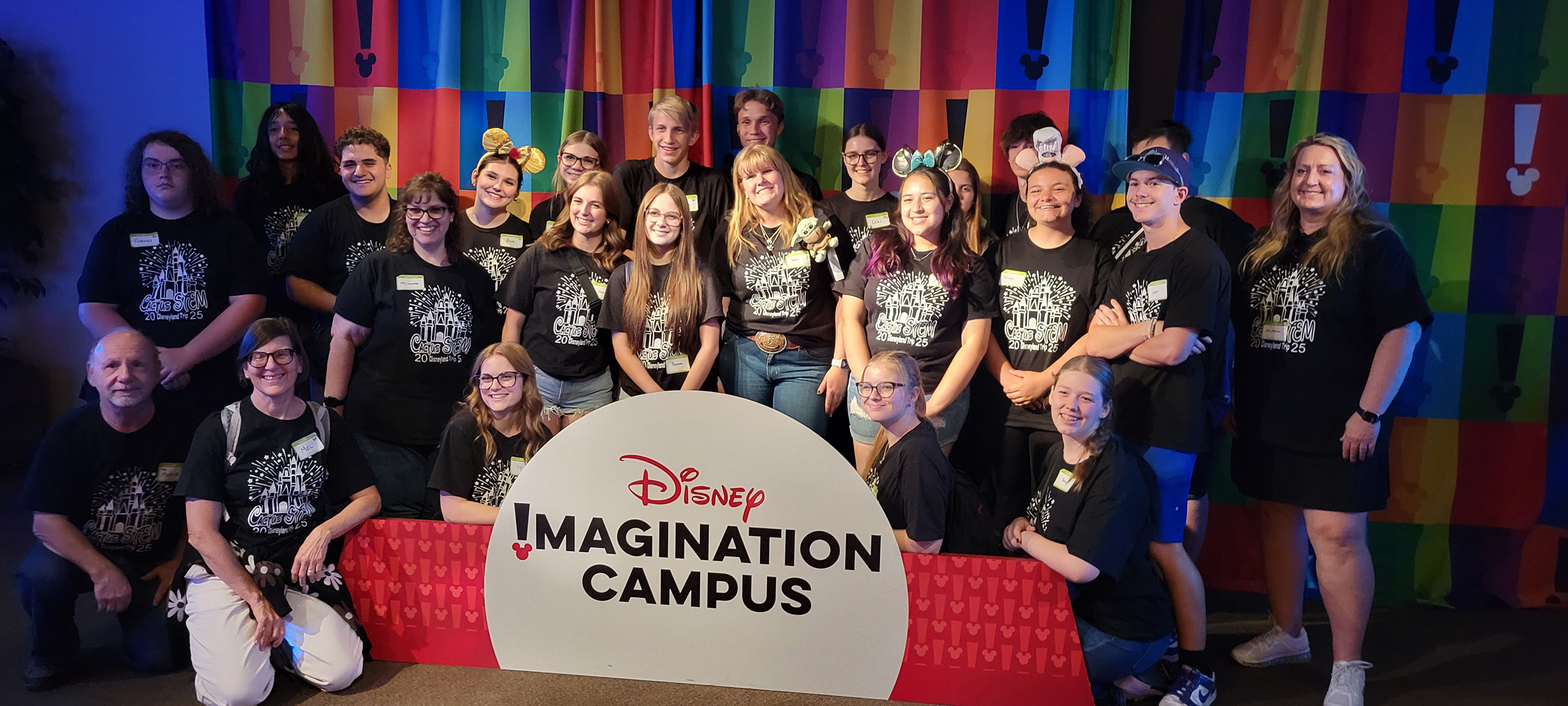
The Cactus HS Principal challenged the students to bring a little Disney magic back to campus. Fifteen students participated in two Disney Imagination Workshops and learned about the elements of immersive storytelling. Exploring how immersive storytelling can be applied to every student’s career planning experience – changing student mindsets that all of high school is career planning – the students created a Career Planning Theme Park design challenge.
of students agree they have gained a deeper understanding of their career interests.
100%
of students agree they have a deeper understanding of the steps they need to take to pursue the career they want.
87%
of students plan to continue their education after high school, whether through a degree, industry certificate, apprenticeship, or military service.
Stories of Impact Case Study
Let Students
Lead
How Cactus HS students changed the infrastructure of career planning – from adult- to student-driven
How do students experience career planning?
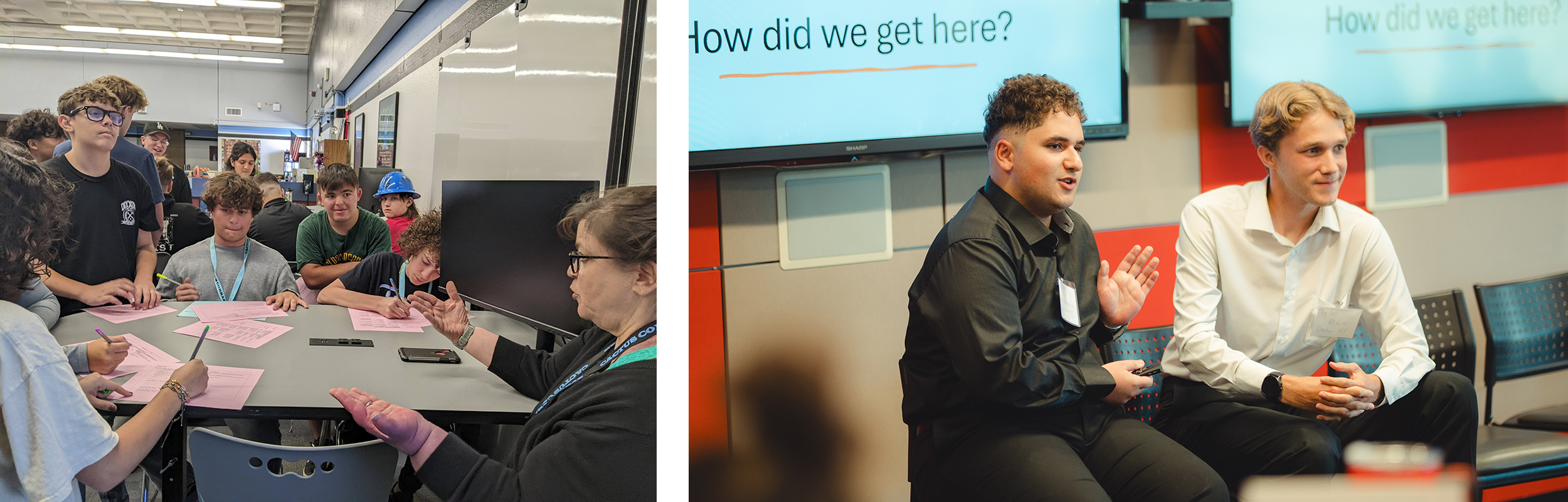
Over two thousand 10th graders representing twelve Arizona high schools describe their experiences with education and career planning as a process being driven by adults. Students shared that in one semester they may experience up to 12 distinct and random career-related activities that are selected, scheduled, and delivered by a variety of adults located on and off campus. The activities may or may not be logically ordered or related to student needs or interests. Students feel they are playing a passive role in their own career planning process and want to take a more active role.
What do students need to deepen engagement with career planning?
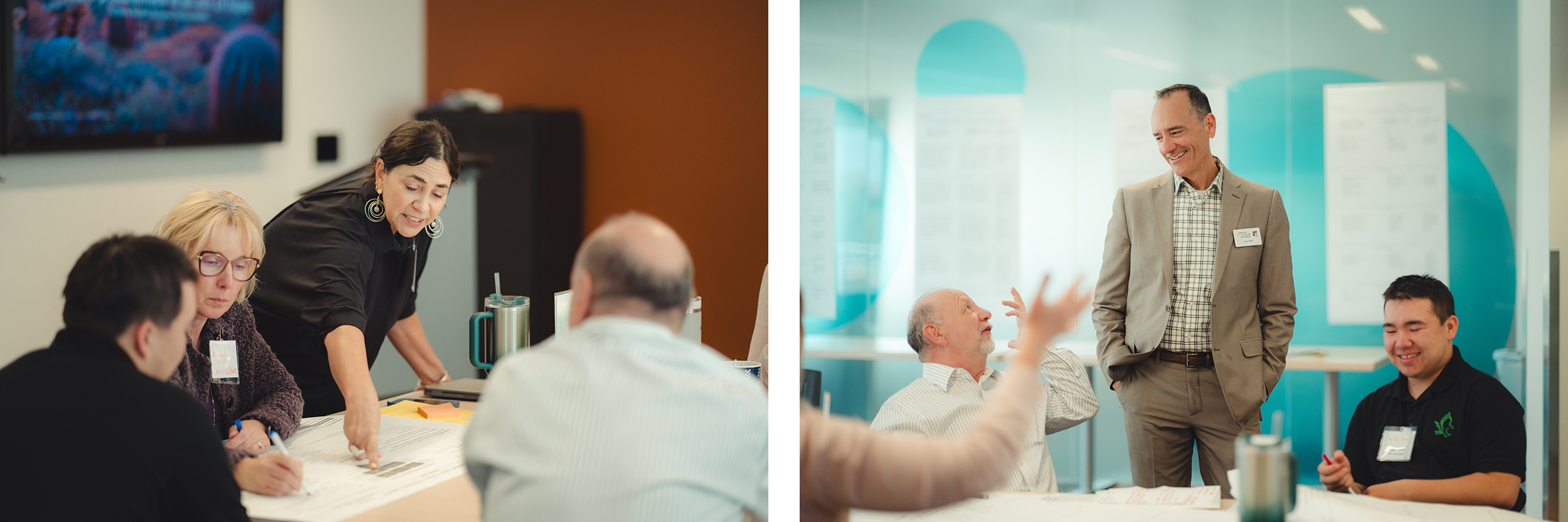
The STEM Club members at Cactus HS were on a mission to change how students experienced career planning. The club launched two transformative models 1) A Field Trip Framework and 2) Career Coaching. Central to this transformation is the concept of “share power” – one of five elements of building trusting relationships with students, the other four being Express Care, Provide Support, Expand Possibilities, and Challenge Growth. Share power represents student perceptions that they are treated with respect and have a say in their own career planning.
The Cactus students are highlighting a crucial element of what matters most to students – practicing personal agency. Agency is the ability to identify a meaningful goal, make a plan, and gather resources to execute your plan. Agency requires a variety of skills, a belief that you do have some power over your circumstances, and it requires asking for help when barriers might get in the way.
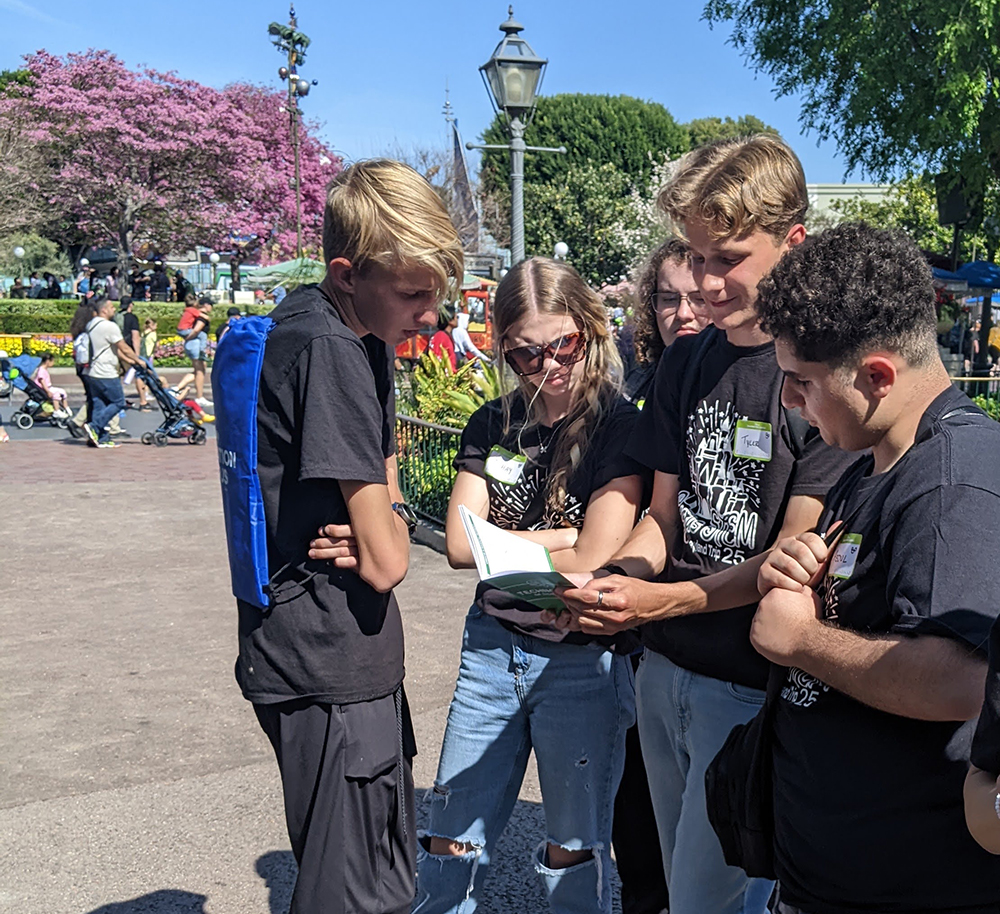
Focusing on career field trips as a way to spark student interest, the club leaders designed a Field Trip Framework. The framework is grounded in what matters most to students – connecting personal interests to career fields in STEM – and then seeking out experiences that demonstrate those careers. After the field trips, students reflect on how this experience connects to skills developed in HS courses.
 |
|
Field Trip Framework
|
How can adults help students get what they need to feel prepared for life after high school?
Building on the success of the Field Trip Framework, the club launched a Career Coaching model during the 2024-25 school year. Students developed a SMART goal for the year, designed an action plan and practiced reflective thinking to understand how each field trip or experience was advancing their goals and preparing them for life after high school. The members generated field trip ideas based on themes that emerged from the SMART goals which they sorted into five co-advising categories. Students designed small – NAU Alumni Lunch n Learn – and big – Disney Imagination Workshops – ideas that aligned with student interests.
“Just get out of students’ way and let students lead. I see the value in kids working with their peers to build excitement about college and career opportunities. I think it really deepens student engagement and gets the kids excited.” – High School Career Specialist
The Career Specialist describes the success of the NAU Alumni Lunch n Learn event designed during the Career Coaching model: “It was by far the most successful sales pitch I have heard for a college or university; the kids were highly engaged. The HS students were asking valuable questions, there was a lot more enthusiasm for the programs available at NAU. I don’t know that the NAU recruiter has ever generated that much buzz or excitement for NAU as this Lunch n Learn event did.”
A stronger, brighter future.
“When students take the lead, when they are able to communicate what they’re interested in and what they’re passionate about, they seem to be way more engaged, way more receptive, and we’re just seeing much more success that way as opposed to us making the observations and feeding students what we think that they need. We’ve enjoyed a lot more success that way.” HS Career Specialist
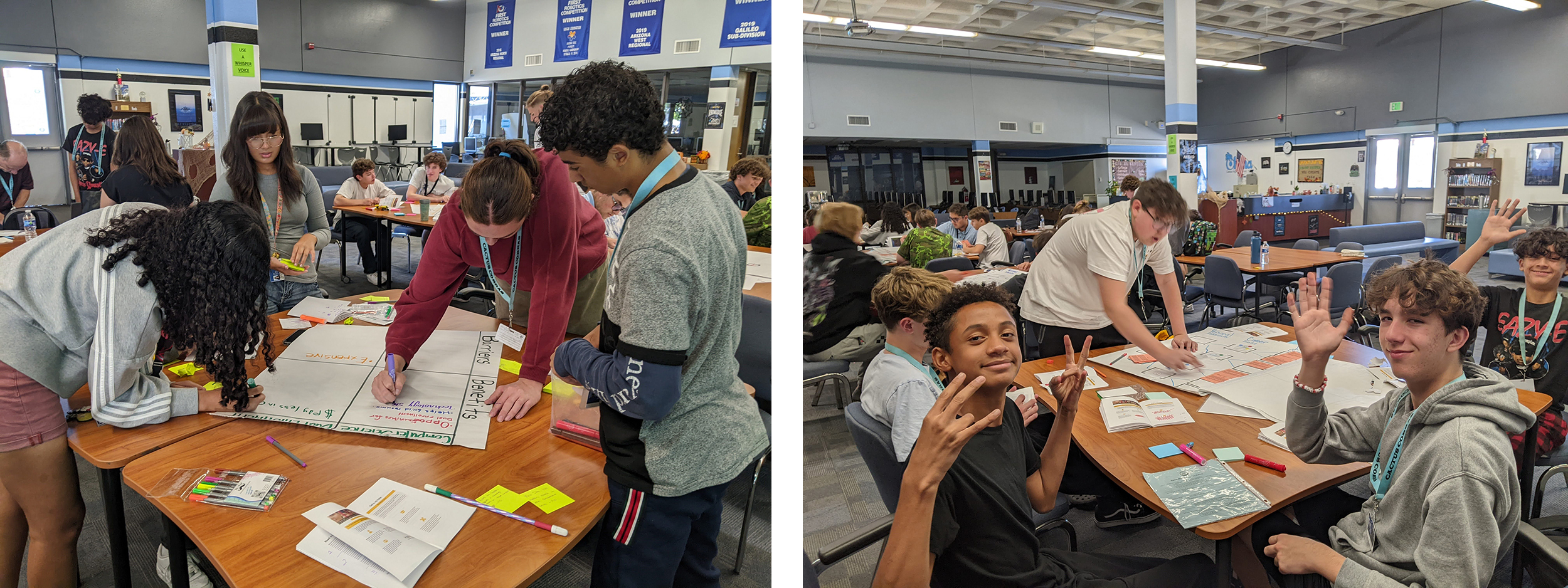
Students and adults have surfaced a path of shared responsibility for student success that has sparked, grown, and spread deeper engagement with career planning by operationalizing a distributed advising approach that makes sure more students have a better understanding of what’s possible after high school.
Students are actively seeking out things that interest them – Of the 38 12th grade respondents, an overwhelming majority, 95% agree they have gained a deeper understanding of their career interests – 100% agree they have a deeper understanding of the steps they need to take to pursue the career they want. 87% indicated they plan to continue their education right after high school pursuing an associate or bachelor’s degree, obtaining an industry certificate, participating in an apprenticeship or joining the armed services.
of students agree they have gained a deeper understanding of their career interests.
87%
of students plan to continue their education after high school, whether through a degree, industry certificate, apprenticeship, or military service.
Finding people to help them when they need it – 92% agree they have one adult in their life who makes them excited about their future. They are building a community around them – 95% agree I have a great future ahead of them and 97% know they will find a good job in the future.
The STEM students’ “Let Students Lead” philosophy cultivated new ways of students and adults working together toward advancing what matters most to students. New ideas – both big and small – have inspired and motivated students, and the adults that support them, to share responsibility for their success as these unique experiences surface their hidden potential, provide opportunities to practice personal and community agency, and leave high school students wanting more – more excitement about learning and their future.
of students agree they have one adult in their life who makes them excited about their future.
95%
of students agree they have a great future ahead of them.
Spark. Grow. Spread. Hope.