Career Connected Pathways Stories of Impact
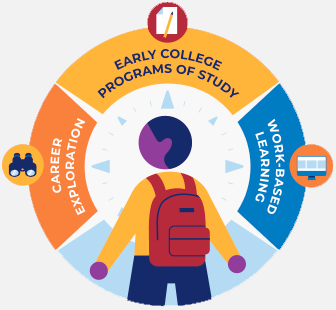
A five-year U.S. Department of Education , Education Innovation Research (EIR) grant, in partnership with the Center for the Future of Arizona, 12 high schools, and 7 community colleges, aims to understand what motivates or influences student behaviors to participate in dual enrollment and computer science courses – more broadly, what empowers students to take action and deepen engagement with career planning (ECAP) through the implementation of a Distributed Advising Approach. A Distributed Advising Approach is intended to facilitate deeper collaboration between K12 schools and community colleges by enabling systems change through three levers – 1) Student Voice, 2) Career Connected Toolkit, and 3) Co-Advising Framework.
Students Were Asked
- How do students experience career planning (I feel)?
- What do students need to deepen engagement with career planning (I want)?
- How can adults help students get what they need to feel prepared for life after high school (I can)?
of tenth graders aspire to continue their education right after high school; 48% actually do. Why?
Every student deserves to leave high school with hope, a plan, and a future they are excited about. It’s not just about what’s offered. It’s about what’s experienced – and who gets the invitation to step into it.”
— Izael, 11th grader
The Impact
We’ve captured what’s possible when students lead their own career planning in a Stories of Impact series titled Acts of Hope: How small changes led to big impacts. These stories show how, when students practice hopeful thinking, trusting relationships grow, personal agency strengthens, and systems evolve to support what students want most – to leave high school with “hope, a plan, and a future they’re excited about.”
Key Takeaways
- Let students lead!
- The purpose of HS is to surface every student’s hidden potential – NOT claim a career identity.
- Hope is contagious.
New Ideas. New Ways of Working Together.
Partnership Results – Yuma Union HS District and Arizona Western College
Meet high school student Mia. A teacher invited her to a coding class, sparking an interest in cybersecurity. She met with an advisor who helped map her career and course plan. She participated in a fiber optics workshop after a community college speaker visited her class. Because of those early exposures and personal connections, Mia graduated with a certification and clear next steps. Today, she’s thriving in a technology career she didn’t even know existed before high school.
Mia’s success wasn’t luck – it was systemic support. Students like Mia are made, not found. Mia’s success is due to early exposure to real-world skills, personalized advising from freshman through senior year, and hands-on experiences like certifications, dual enrollment, and internships.
of students agree they have gained a deeper understanding of their career interests.
84%
of students agree they have a deeper understanding of the steps they need to take to pursue the career they want.
80%
of students plan to continue their education after high school, whether through a degree, industry certificate, apprenticeship, or military service.
Stories of Impact Case Study
Hope, A Plan, A Future
I’m Excited About!
How do students experience career planning?
The hallways of Arizona high schools buzz with a quiet uncertainty. Too many students, nearly 30%, feel lost about their future after high school, with 34.8% reporting no participation in career-connected activities. Stories, like a student we will call Alex, are common; his course selection was filled with random classes he didn’t pick, he never knew about internships until it was too late, and at graduation, he felt adrift with no career plan or experience. The system, it seemed, just assumed students would “figure it out,” but the data showed they didn’t. Students primarily hear about career paths through random conversations, 21% didn’t know how to access opportunities, and parents, though wanting to help, often lacked up-to-date knowledge.
What do students need to deepen engagement with career planning?
Three high schools in Yuma Union High School District – Cibola, Gila Ridge, and Kofa – in partnership with Arizona Western College and Center for the Future of Arizona, set out to change this outcome for Alex and other students like him.
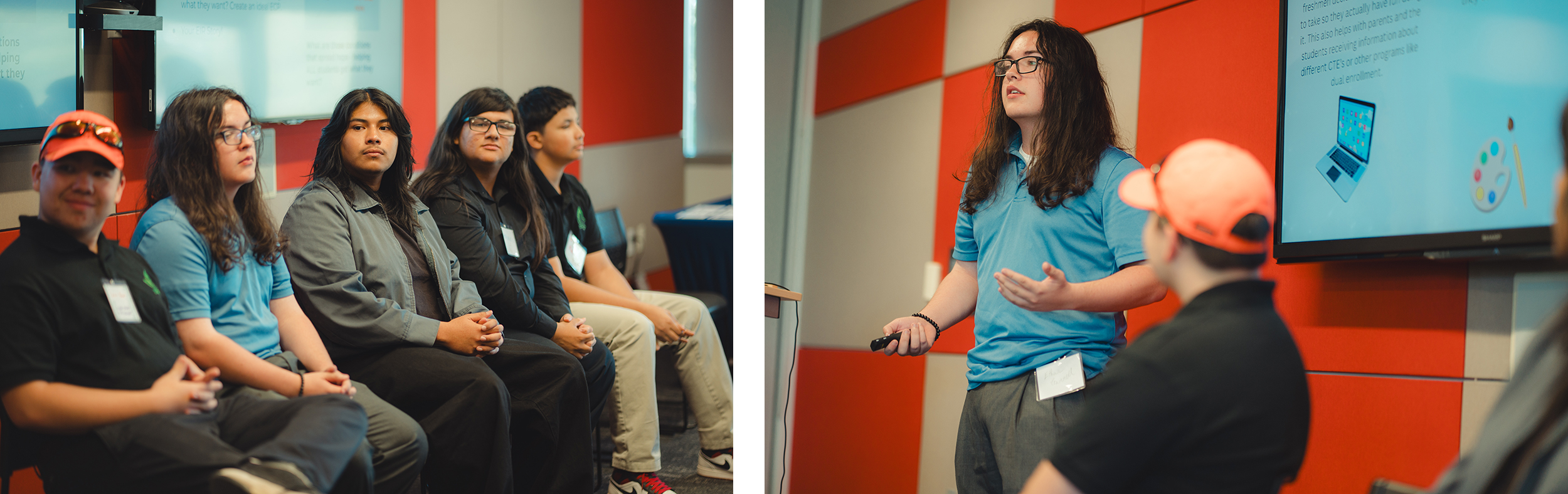
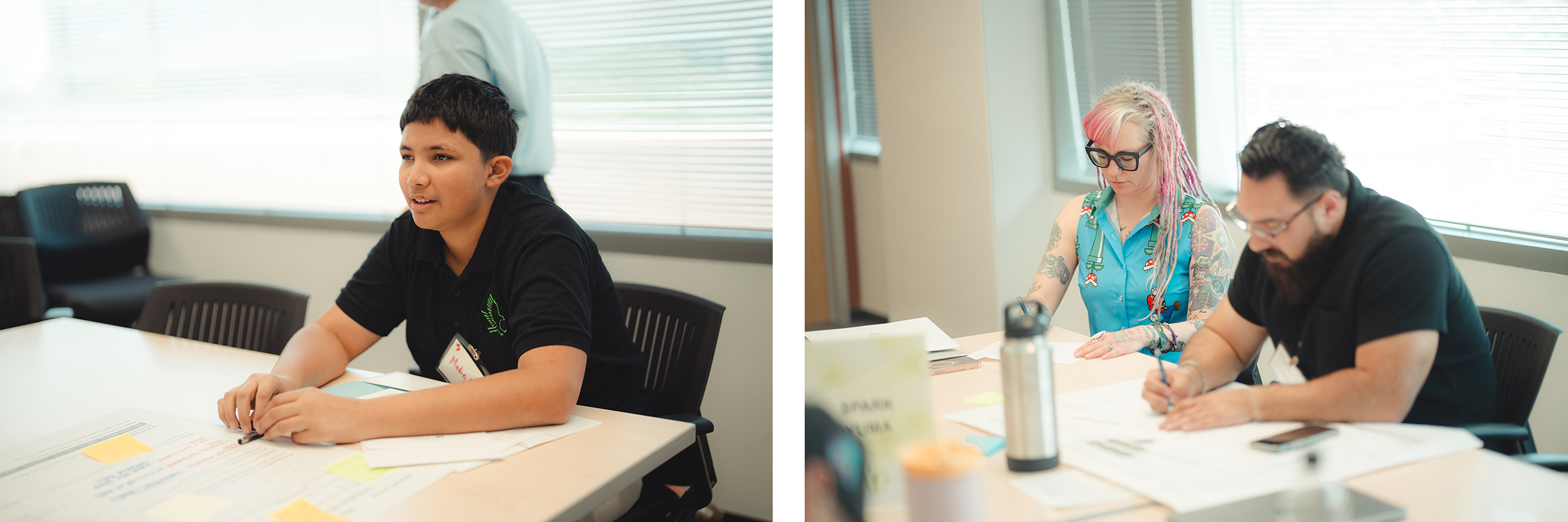
Students representing all three high schools participated as panel members on a Student Data Advisory. The guiding question: How might we change the career planning infrastructure so that all students deepen their engagement with career planning prepared for life after high school? Participants viewed six years of student data through a prism of systems change.
A new vision was sparked as stated best by Izael, an 11th grader at Cibola high school: “Every student deserves to leave high school with hope, a plan, and a future they are excited about. It’s not just about what’s offered. It’s about what’s experienced and who gets the invitation to step into it.” This became the north star for a transformative journey at Yuma Union High School District.
What is needed are opportunities for students to practice agency - envision Mia’s story. Agency is defined as the ability to identify a meaningful goal, make a plan, and gather resources to execute your plan. Agency requires a variety of skills along with a belief that you do have some power over your circumstances, and it requires asking for help when barriers might get in the way.
 |
|
Systemic support
|
How can adults help students get what they need to feel prepared for life after high school?
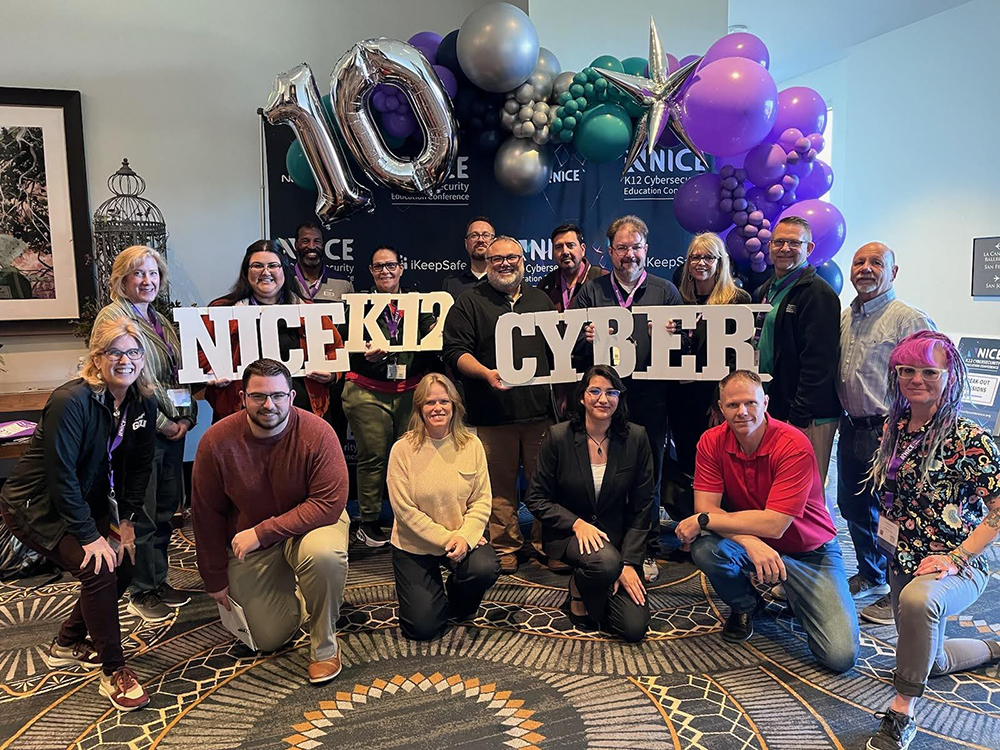
The key point identified by the Student Panel was that fostering hope, a plan, and an exciting future for students wasn’t about luck, but about the need to operationalize systemic support. The collaboration between students and adults at YUHSD and AWC cultivated a shared responsibility for student success across systems – a Distributed Advising Approach – that operationalized systemic support. By investing in students and looking beyond current academic performance to surfacing their hidden potential, YUHSD was ensuring every student leaves high school with hope, a plan, and a future they are excited about.
“After COVID I saw a decline in my motivation. My counselor and teachers saw skills in math and suggested I should take math analysis then I really wanted to do Tech which led to an internship and advancing opportunities to be a data scientist.” – Cibola HS student
“Joining the Cyber Club, just growing as a person. I’ve changed so much. I want to talk to people, being social, it goes a long way. Every day I’m improving.” Kofa HS Student
Systemic Support through a Distributed Advising Approach:
- Guaranteeing early and regular exposure starts in middle school
- Building and strengthening personal connections and partnerships across the system – students, parents, educators, advisors, and industry professionals
- Identifying the knowledge and skills essential for career success such as “practicing college and career” with Dual Enrollment and CTE courses
- Prioritizing real-world experiences by increasing access to work-based learning such as internships, job shadows, and site visits
“Something that gives me hope is the future and what I can do, all the opportunities I’ve had and where I’ll be able to work as a result of taking dual enrollment courses and computer science courses, preparing me for a career in Engineering.” GRHS HS Student
A stronger, brighter future.
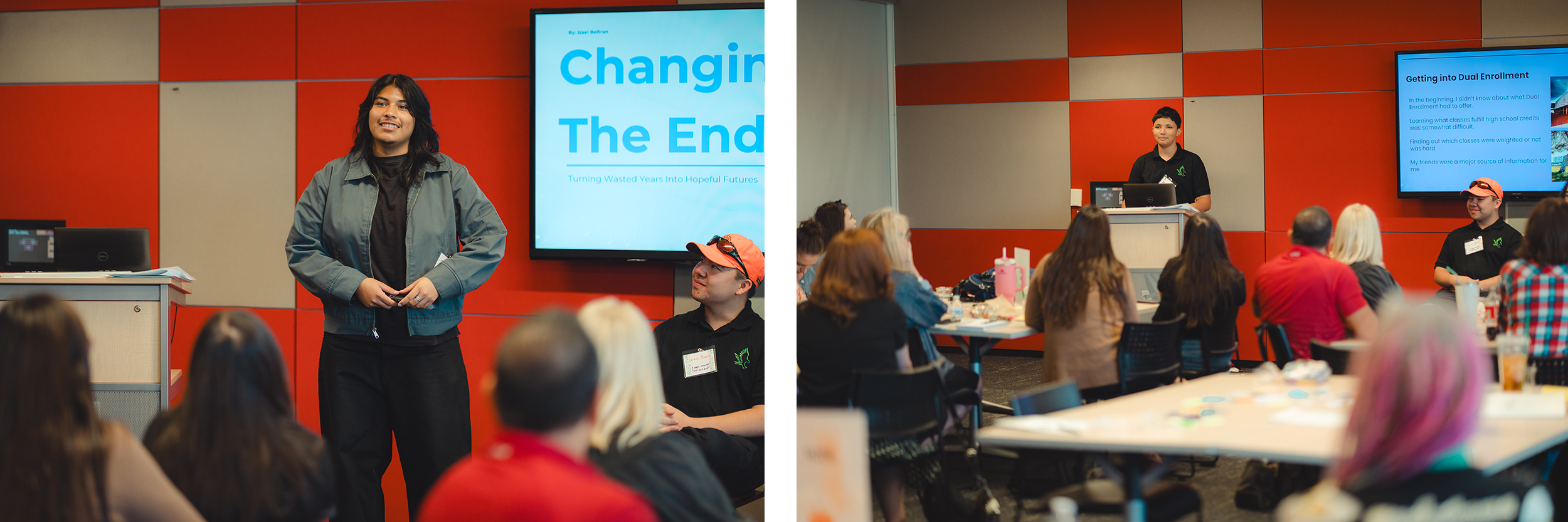
The transformation at YUHSD brought about a tangible difference. Students and adults have surfaced a path of shared responsibility for student success that has sparked, grown, and spread deeper engagement with career planning by operationalizing a Distributed Advising Approach that makes sure more students have a better understanding of what’s possible after high school.
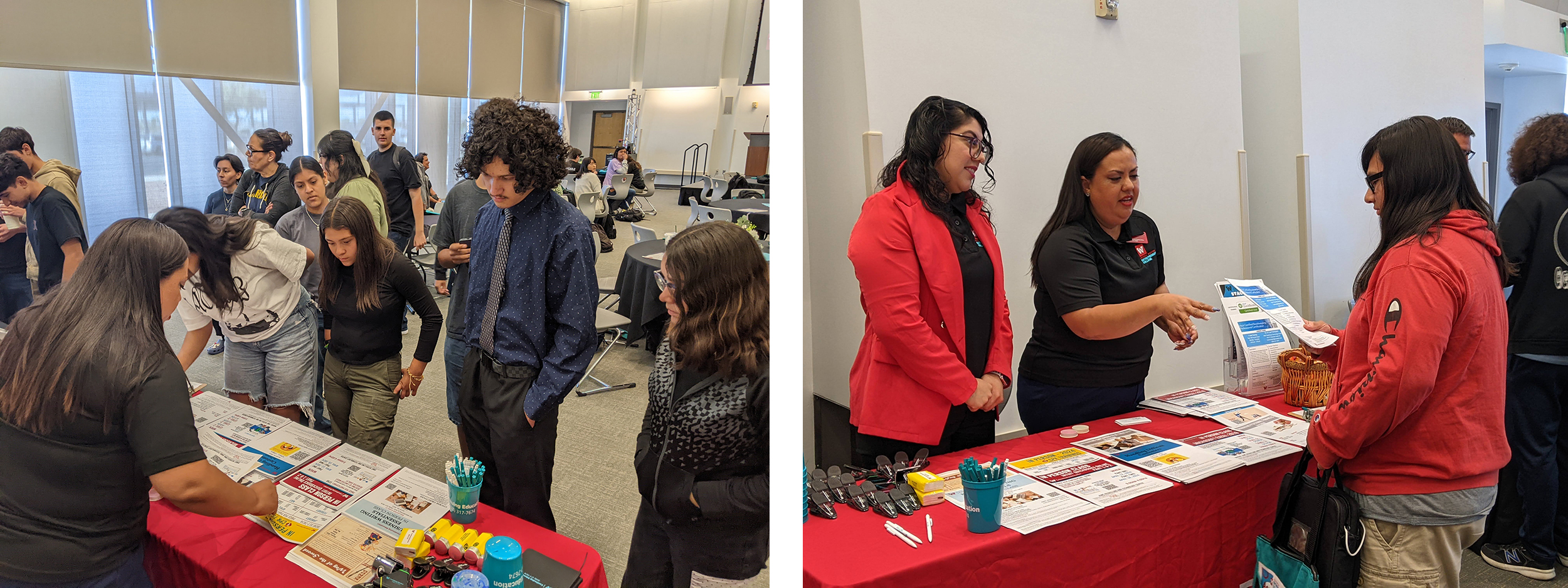
Students are actively seeking out things that interest them – Of the 400 12th grade respondents, an overwhelming majority of 84% agree they have gained a deeper understanding of their career interests. 84% agree they have a deeper understanding of the steps they need to take to pursue the career they want. 80% indicated they plan to continue their education right after high school pursuing an associate or bachelor’s degree, obtaining an industry certificate, participating in an apprenticeship or joining the armed services.
of students agree they have gained a deeper understanding of their career interests.
80%
of students plan to continue their education after high school, whether through a degree, industry certificate, apprenticeship, or military service.
Finding people to help them when they need it – 87% agree they have one adult in their life who makes them excited about their future. They are building a community around them – 95% agree they have a great future ahead of them and 86% know they will find a good job in the future.
Systemic support that includes early exposure to real world skills, personalized advising freshman through senior year, and hands-on experiences like industry certifications, dual enrollment courses and internships increases the likelihood that every student will graduate with “hope, a plan, and a future they are excited about.”
of students agree they have one adult in their life who makes them excited about their future.
95%
of students agree they have a great future ahead of them.
Spark. Grow. Spread. Hope.