Career Connected Pathways Stories of Impact
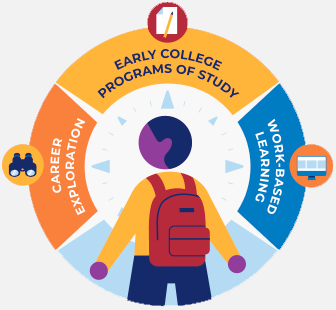
A five-year U.S. Department of Education , Education Innovation Research (EIR) grant, in partnership with the Center for the Future of Arizona, 12 high schools, and 7 community colleges, aims to understand what motivates or influences student behaviors to participate in dual enrollment and computer science courses – more broadly, what empowers students to take action and deepen engagement with career planning (ECAP) through the implementation of a Distributed Advising Approach. A Distributed Advising Approach is intended to facilitate deeper collaboration between K12 schools and community colleges by enabling systems change through three levers – 1) Student Voice, 2) Career Connected Toolkit, and 3) Co-Advising Framework.
Students Were Asked
- How do students experience career planning (I feel)?
- What do students need to deepen engagement with career planning (I want)?
- How can adults help students get what they need to feel prepared for life after high school (I can)?
of tenth graders aspire to continue their education right after high school; 48% actually do. Why?
Every student deserves to leave high school with hope, a plan, and a future they are excited about. It’s not just about what’s offered. It’s about what’s experienced – and who gets the invitation to step into it.”
— Izael, 11th grader
The Impact
We’ve captured what’s possible when students lead their own career planning in a Stories of Impact series titled Acts of Hope: How small changes led to big impacts. These stories show how, when students practice hopeful thinking, trusting relationships grow, personal agency strengthens, and systems evolve to support what students want most – to leave high school with “hope, a plan, and a future they’re excited about.”
Key Takeaways
- Let students lead!
- The purpose of HS is to surface every student’s hidden potential – NOT claim a career identity.
- Hope is contagious.
New Ideas. New Ways of Working Together.
Partnership Results – Pueblo HS and Pima Community College
The Pueblo High School Assistant Principal in collaboration with high school students and Pima Community College advisors identified four action areas to support deeper student engagement with career planning:
1) Improve information sharing.
2) Ensure early and intentional exposure beginning in 8th grade.
3) Foster personalized connections with students.
4) Encourage student-led career planning experiences across systems.
of students agree they have gained a deeper understanding of their career interests.
92%
of students agree they have a deeper understanding of the steps they need to take to pursue the career they want.
56%
of students plan to continue their education after high school, whether through a degree, industry certificate, apprenticeship, or military service.
Stories of Impact Case Study
Opportunity Denied is Opportunity Lost
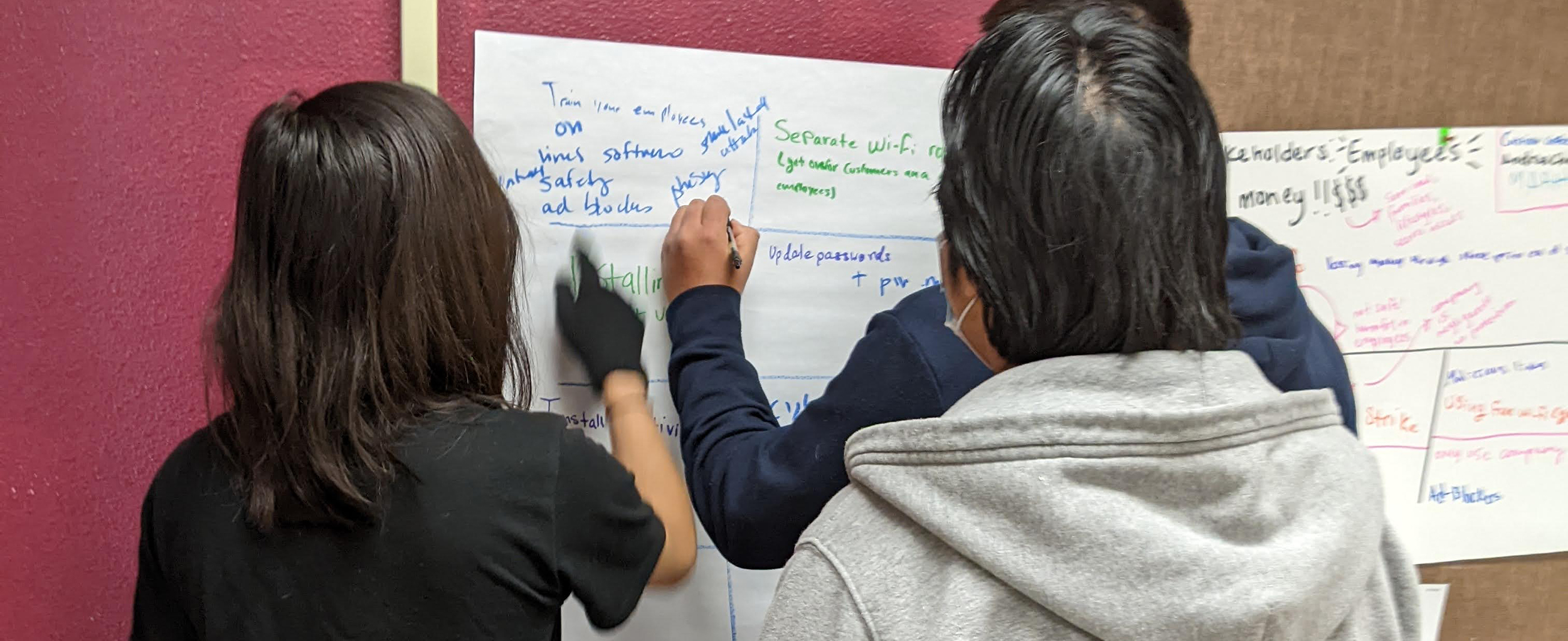
How do students experience career planning?
Students and adults at Pueblo HS expressed a clear need for building stronger relationships, more guidance, and earlier exposure to college and career possibilities.
A cohort of Arizona students that graduated in May 2025 were asked during 11th and 12th grade to rate their level of participation across a set of twenty career-connected learning activities – part of a co-advising framework –across five categories of career planning:
1) Individual Advising Plan,
2) Postsecondary Exploration and Navigation,
3) Career Exploration Through Labor Market Awareness,
4) Rigorous Academics, and
5) Work-Based Learning (WBL) Preparation and Opportunities.
Reviewing a bar chart of the student responses, the Pueblo HS Assistant Principal observed “About half of the students have no experience or are unsure of their experiences in the career-connected learning activities as they progress through the 11th and 12th grades.”
She continues to share, “We’re proud of our CTE and Dual Enrollment opportunities, but the understanding of how these can benefit students after high school doesn’t seem to be widespread with students or adults on campus.”
This sets up the driving question that two students, Samantha and Marco both 11th graders from Pueblo HS, explored as participants on a Student Data Advisory Panel. The question explored: 78% of 10th graders want to continue their education right after high school. 48% actually do. Why? Marco restated the driving question in the following statement: “Opportunity denied is opportunity lost.”
What do students need to deepen engagement with career planning?
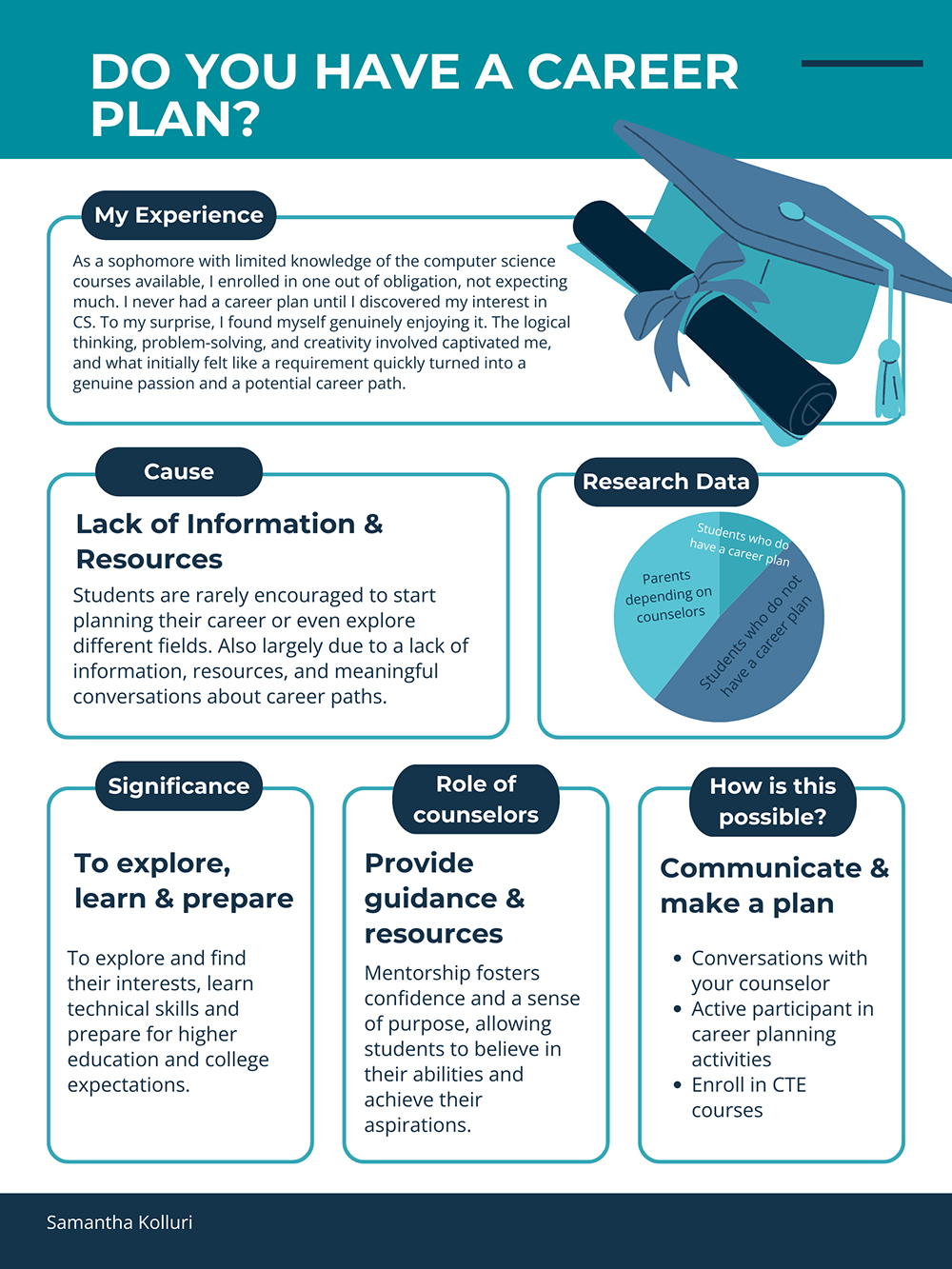
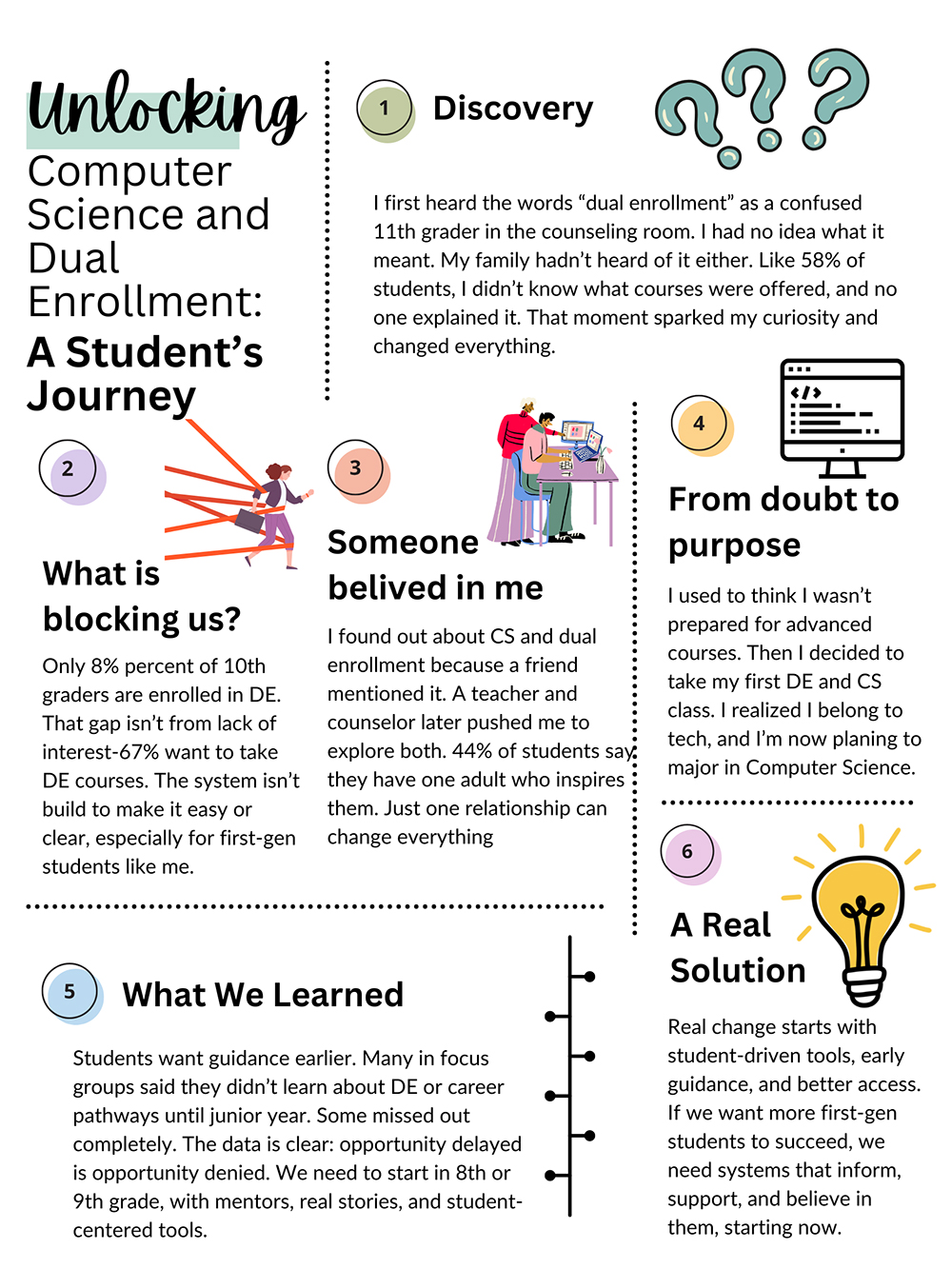
Marco and Samantha reviewed a variety of data sets from the grant project to dig deeper into what was preventing students at Pueblo HS from deepening their engagement with career planning. They each designed a poster based on their findings that include solutions.
The data analysis they conducted as participants on the Student Data Advisory – over four weeks, eight sessions, twelve hours – indicates there is a widespread lack of awareness among both students and educators about student opportunities to advance their career goals like CTE and Dual Enrollment courses. Students lack early access to information and are missing out on opportunities. Students need more guidance and positive support from adults across campus and in the community. Students don’t feel like they have any control over their career planning.
How can adults help students get what they need to feel prepared for life after high school?
Working together, students and adults can change how ALL students experience career planning at Pueblo HS so that students aren’t denied opportunities.
  |
|
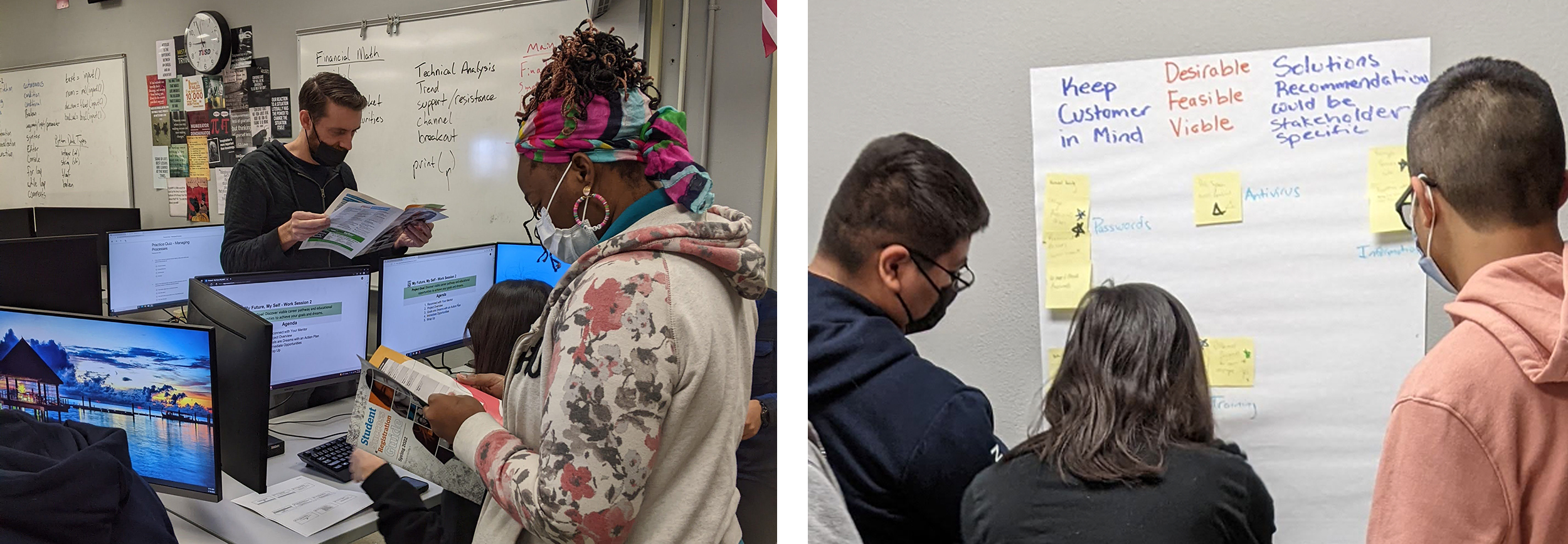
Student Data Advisory Process
|
“There are so many resources the EIR grant project has provided, and the support has been consistent and positive. It falls in line with what we’re trying to do here. Getting the students involved is key!” – High School Assistant Principal
A Distributed Advising Approach creates systems of student-centered support that foster positive mindsets, relationships, and activities. Opportunities to focus on what students need and want which include:
Strengthening student and adult relationships. Provide intentional sequencing of college/career advising and information that align with student values, interests and career goals. Design an annual Opportunity Showcase – High School is an ecosystem of career exploration and experimentation opportunities. Enable positive peer pressure, student choice, guidance, and experiences that build confidence, self-awareness, and hopeful thinking. Let Students Lead. Develop student-led activities aligned to student interests. Capitalize on what we have to inspire and motivate students. Early access to information about CTE and Dual Enrollment course offerings. Provide consistent support so students believe they can be successful. Work collaboratively across systems and build in accountability metrics to measure success for student College and Career goals.
A stronger, brighter future.
Marco and Samantha felt lucky, their experiences with career planning in high school have helped them shape their future career goals through participating in classes like Computer Science. Both are headed to careers in technology – AI Development and Software Engineering. But their experiences aren’t all students’ experiences. Someone on campus believed in them and connected their personal interests to courses and career exploration opportunities.
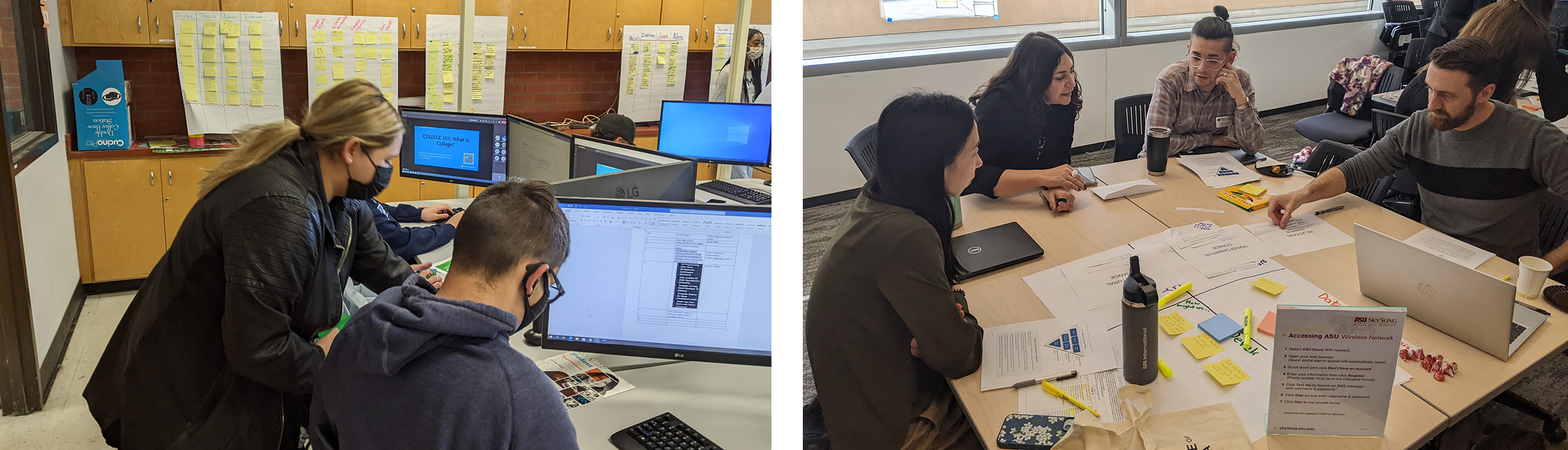
Students and adults have surfaced a path of shared responsibility for student success that has sparked, grown, and spread deeper engagement with career planning by operationalizing a distributed advising approach that makes sure more students have a better understanding of what’s possible after high school.
of students agree they have gained a deeper understanding of their career interests.
56%
of students plan to continue their education after high school, whether through a degree, industry certificate, apprenticeship, or military service.
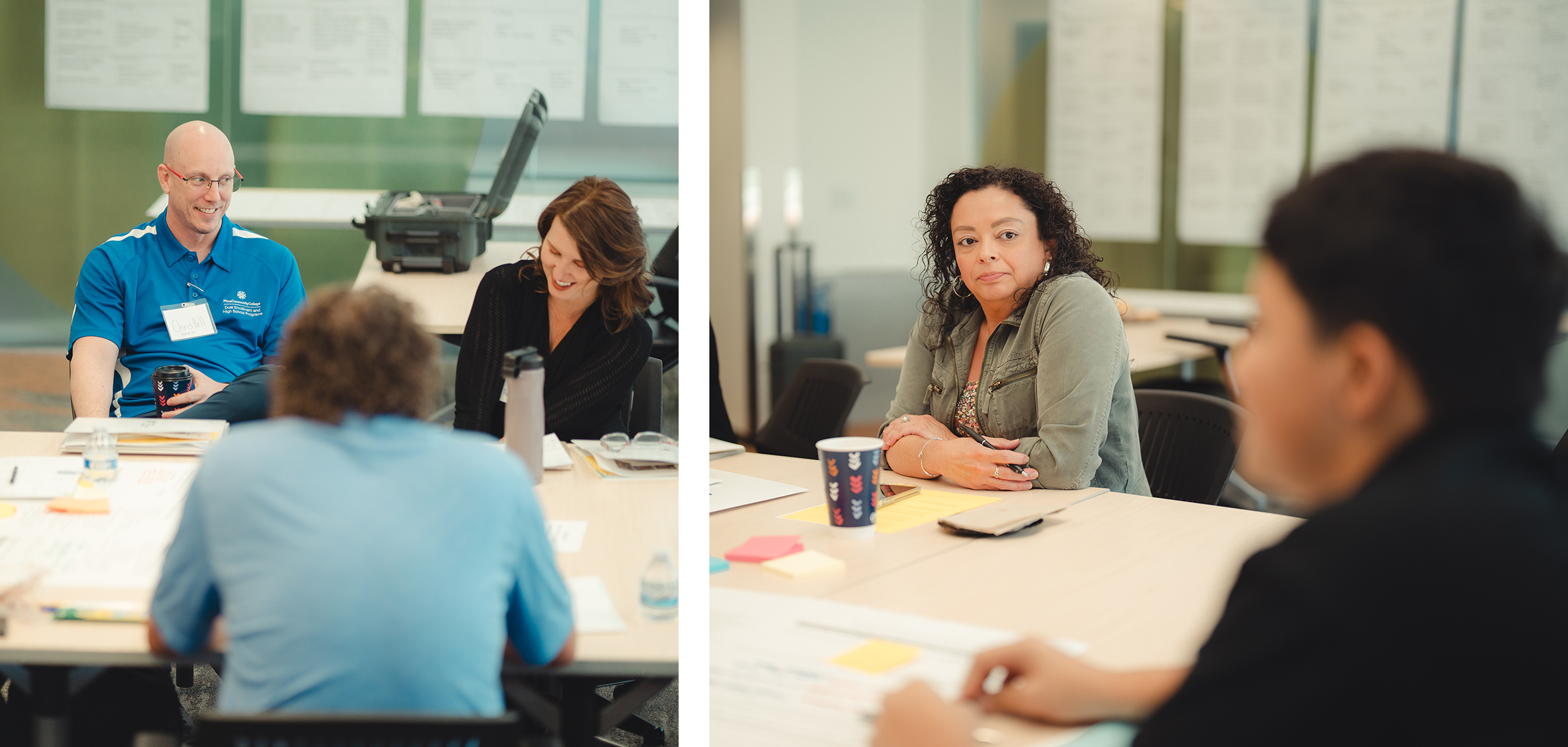
Students are actively seeking out things that interest them – Of the 101 12th grade respondents, an overwhelming majority of 86% agree they have gained a deeper understanding of their career interests. 84% agree they have a deeper understanding of the steps they need to take to pursue the career they want. 56% indicated they plan to continue their education right after high school pursuing an associate or bachelor’s degree, obtaining an industry certificate, participating in an apprenticeship or joining the armed services.
Finding people to help them when they need it – 95% agree they have one adult in their life who makes them excited about their future. They are building a community around them – 96% agree they have a great future ahead of them and 89% know they will find a good job in the future.
of students agree they have one adult in their life who makes them excited about their future.
96%
of students agree they have a great future ahead of them.
Spark. Grow. Spread. Hope.